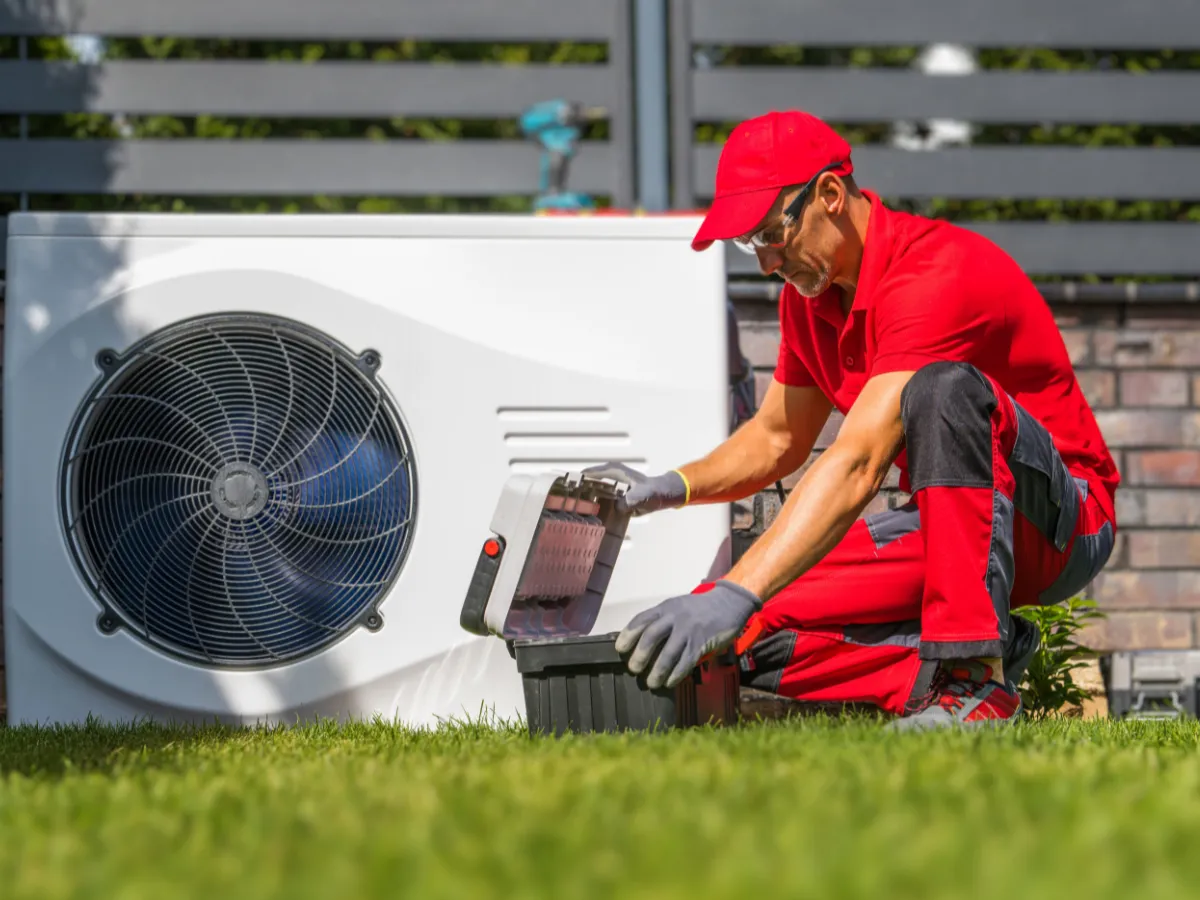
 A heat pump is an efficient solution for Floridians to enjoy reliable cooling and heating throughout the seasons. Most heat pumps should be professionally serviced twice a year.
In Florida, heat pumps work harder because of heat, humidity and nearly year-round use. By following professional guidance and servicing your heat pump routinely, you can enjoy better energy efficiency and comfort while avoiding expensive repairs down the line.
Quick Takeaways
- Heat pumps should usually be serviced twice a year.
- Florida systems need more attention because of the high humidity and heat.
- Clogged drain lines and dirty coils can quickly affect your unit’s efficiency.
- Regular maintenance can help lower your energy bills and prevent breakdowns.
- While DIY maintenance on smaller issues is helpful, professional tune-ups are necessary.
How Often Should a Heat Pump Be Serviced?
Because of Florida’s climate, homeowners should service their heat pumps twice yearly (once in the spring before the heat sets in and then in the fall before heat is more frequently used).
With spring maintenance, the goal is to prepare your system for summertime demand. Technicians will inspect your refrigerant levels, clear condensate drains, clean condenser coils and test the system’s airflow.
In the fall, maintenance ensures that your heat pump switches efficiently between cooling and heating when Florida enters its milder seasons. This check consists of defrosting coils, reversing valves, checking your air filters and assessing the system’s efficiency.
Some brands specify inspection intervals and warranty requirements. It’s always best to follow your manufacturer’s recommendation for scheduling services. Skipping maintenance may affect your warranty coverage.
Why Heat Pump Maintenance Matters
There are several reasons why you should conduct routine heat pump maintenance:
- Reduced energy consumption – A clean, well-maintained system can cut your energy use by 25%.
- Longer system lifespan – By keeping your system running smoothly, it will have a longer lifespan.
- Better airflow and indoor comfort – Replacing filters, cleaning components and routinely checking your heat pump leads to higher air quality and a more comfortable home.
- Lower repair risk – Technicians can catch smaller issues before they become expensive repairs or complete system failures.
Heat pumps also remove moisture from the air. By keeping your system well-maintained with regular services, you’ll enjoy better humidity control while preventing the clammy feeling caused by a sluggish, dirty system.
What Happens if You Skip Heat Pump Maintenance?
Some people may think that by skipping maintenance, they’re saving money. But, in reality, any short-term savings show up later down the line as much bigger repair bills (or a full system replacement).
Some of the biggest risks of skipping maintenance include:
- Your system must work twice as hard, leading to higher energy bills.
- Frozen evaporator coils can damage the compressor.
- You may have drain line clogs, which can quickly shut down your unit.
- Poor airflow can lead to warmer temperatures and potentially a complete motor burnout.
- Short cycling can cause your unit to overheat and potentially shut off. This puts additional strain on the motor.
Your system is under the most stress during the summer. Skipping maintenance can result in complete failure of your system on the hottest days of the year. This leads to expensive after-hours service fees and a potentially long wait time.
Signs Your Heat Pump Needs Service
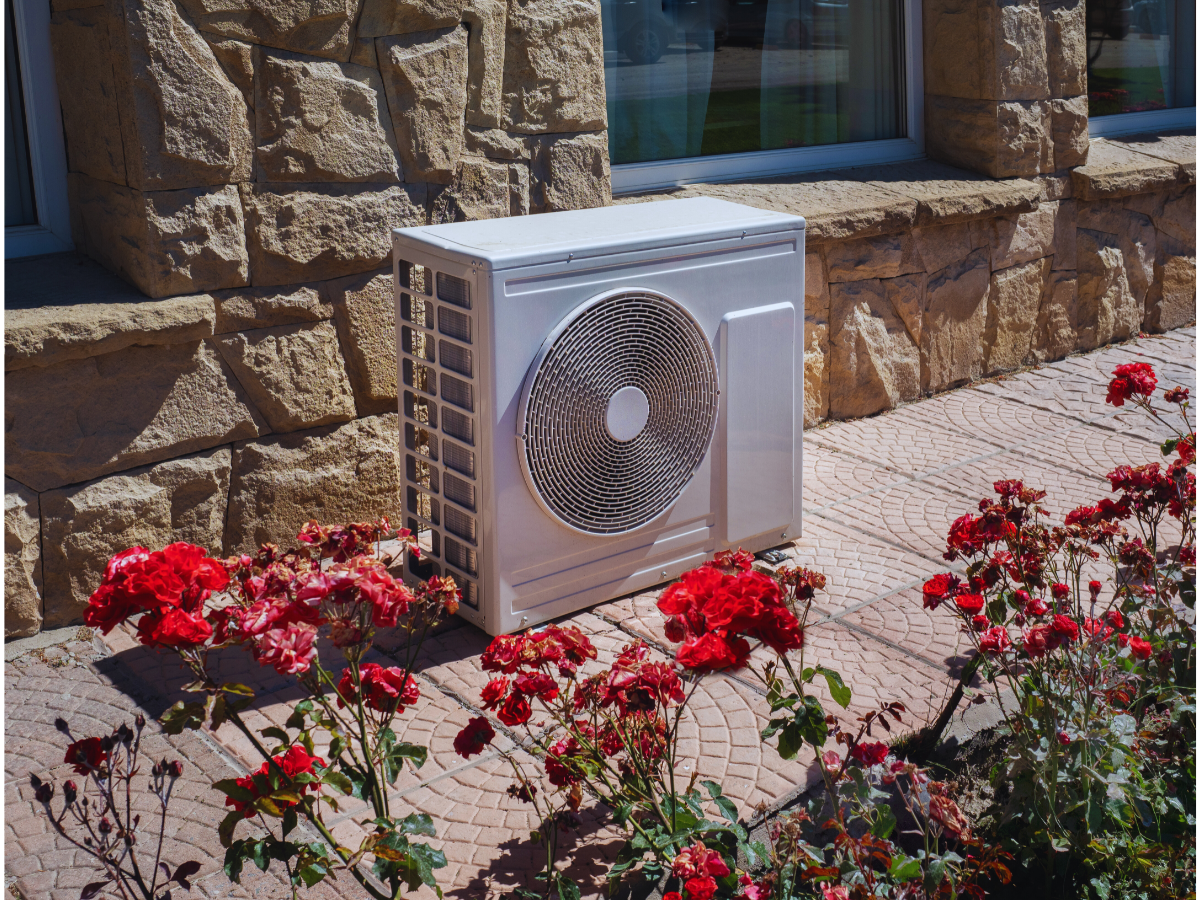 If you think your heat pump needs servicing, here are some signs to watch out for:
- Weak airflow and difficulty cooling your home down.
- Rising electric bills with no obvious explanation.
- Your unit is making screeching and grinding noises.
- There are musty odors in your home (which may indicate there is mold growth).
- One part of your home feels warmer than others (a sign of uneven cooling).
- Your system is constantly running, even after reaching the temperature on your thermostat.
- There’s water leaking around your unit.
If you notice any of these signs, then it may be time to service your heat pump.
What Professional Heat Pump Maintenance Includes
All heating and cooling systems need regular maintenance to work efficiently. Professional heat pump maintenance services are divided into two parts: the indoor system inspection and the outdoor system inspection.
Indoor System Inspection
The indoor part of the service focuses on moisture management, electrical controls and airflow in your air handler. It includes:
- Inspecting the indoor evaporator coil for obstructions and cleaning the components.
- Checking and replacing air filters as needed, measuring airflow and inspecting your ductwork.
- Cleaning and clearing the condensate drainage system to prevent blockages.
- Making sure your thermostat is working properly and inspecting your electrical terminals.
After they’re done, your HVAC technician will move on to the outdoor unit inspection.
Outdoor Unit Inspection
The outdoor inspection ensures that your system can properly reject or absorb heat from the environment and that all parts are in working order. It includes:
- Clearing the coil condenser of dust, pollen and any yard debris.
- Lubricating the motors, inspecting belts for wear and checking electrical components.
- Measuring your refrigerant charge and pressure to ensure they match specifications.
Before your technician leaves, they will run the defrost cycle and various sequences to confirm that it’s safe and reliable. This is an especially important step to take before any severe weather occurs.
DIY Heat Pump Maintenance Tips
While scheduling professional services is important, there are several things you can do to improve your unit’s efficiency and catch any problems early on. Some of these steps include:
- Replacing or cleaning filters regularly – A dirty filter restricts airflow and forces your system to work harder. Be sure to replace standard filters every 1 to 3 months.
- Keep the outdoor unit clear – Your outdoor condenser requires open airflow to efficiently operate. Make sure to trim shrubs regularly and remove leaves and debris from around your unit.
- Check vents for airflow blockages – The area around your indoor vents should stay clear so air can properly circulate. Make sure furniture isn’t blocking the way or that there aren’t any closed registers.
A healthy heat pump will naturally remove any built-up humidity. If you see water pooling, dripping near drain lines, musty odors or mold, you may have a problem. Addressing leaks quickly can prevent water damage and mold growth, especially in Florida’s humid climate.
Why Florida Heat Pumps Need More Maintenance
Heat pumps in Florida need more frequent maintenance because they operate year-round. Between the high humidity, longer cooling seasons and salt air, they encounter increased wear and tear, and condensate drain issues are common. Storm debris and pollen buildup can also affect the way they operate.
FAQ
 Is once-a-year heat pump maintenance enough?
No, to keep your HVAC system running smoothly, it is recommended to schedule maintenance twice a year.
What month should I service my heat pump in Florida?
You should schedule services from March through May and September through November.
How long does heat pump maintenance take?
You can usually expect heat pump maintenance to take 45 to 90 minutes per unit.
Can maintenance lower my electricity bill?
Yes, maintenance may lower your electricity bill by up to 25%.
What happens during a heat pump tune-up?
Your technician will perform a series of inspections, cleanings and safety checks on both your indoor and outdoor units.
Schedule Heat Pump Maintenance in Lakeland, FL
At One Hour Heating & Air Conditioning, we help Lakeland homeowners keep their heat pumps running efficiently year-round. By scheduling preventative heat pump maintenance before the peak summer heat, you’ll ensure your family stays cool throughout Florida’s hottest months. Remember, we’re always on time, or you don’t pay a dime.