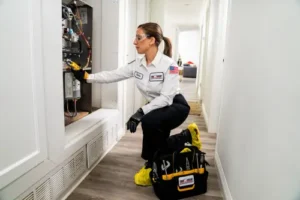
Professional Furnace Tune-Up: What Lakeland Homeowners Should Expect
There’s a lot that goes on during professional furnace maintenance. Most sessions take anywhere from one to three hours. Experts perform a range of tasks that prevent pilot light issues, safety control problems, and unexpected breakdowns. The result is a more efficient system that lasts longer, performs better, and is cheaper to run.
You might think furnace maintenance isn’t a big deal in Florida because it rarely drops below freezing, but the cooler nights make a dependable heater a valuable part of home comfort. This guide walks you through what to expect during a furnace tune-up and why it matters.
What a Furnace Tune-Up Is (and What It Isn’t)
There are three main types of furnace service: maintenance, repairs, and replacements. Maintenance involves cleaning and fine-tuning the heater to your home’s unique layout and comfort needs. Tune-ups also put a big focus on safety by identifying potential hazards before they become serious problems. Furnace repairs entail fixing broken or malfunctioning parts. Furnace replacements are necessary when a system no longer runs efficiently or effectively despite repairs and maintenance.
Step-by-Step: What Happens During a Professional Furnace Tune-Up
A technician will arrive at your home with all the tools and supplies needed to do a full furnace system check. Feel free to ask the tech any questions you have as they go through the maintenance process.
System Inspection and Safety Checks
The first thing the technician does is visually check the entire heating setup. This includes all ductwork, the blower assembly, electrical connections, and gas lines. As they inspect each part, they look for signs of damage, wear, and corrosion. For example, if they spot a crack in the heat exchanger, they will know to recommend repairs or replacement. This visual check is vital for the safety of the equipment because it helps prevent gas leaks, carbon monoxide exposure, and system failure.
Electrical Component Testing
Next, the technician checks all of the electrical connections using a multimeter and voltage tester. They do this to make sure the amperage is correct and the connections are secure. The electrical connection inspection is another critical part of furnace maintenance that ensures the system operates safely.
Burner and Ignition System Inspection
The technician will clean the burners if they have dirt or corrosion on them. This sometimes happens because of dust buildup or moisture exposure. The tech will also test the ignition system to make sure the unit starts up properly.
Airflow and Filter Check
Furnaces, just like air conditioners, have an air filter that requires regular changing to keep the system running as it should. The worker will replace the filter if it’s ready for a replacement. They may also adjust dampers or clean the blower to restore proper circulation.
Thermostat Calibration
The technician will verify accurate temperature readings and run system tests to see whether the furnace responds to the thermostat correctly. Upgrading a home with a smart thermostat is one of the easiest ways to improve comfort and energy efficiency.
Gas and Fuel System Inspection (if applicable)
Regular tune-ups and furnace safety inspections are even more important for gas furnaces because of the risk of carbon monoxide leaks.
Here’s how a technician will test for safety issues during the maintenance process:
- Inspect fittings with leak detector
- Measure pressure using a manometer
- Observe flame color and shape
- Test exhaust vent draft
- Check heat exchanger integrity
- Confirm burner ignition sequence
- Monitor carbon monoxide levels
How a Furnace Tune-Up Improves Performance and Efficiency
The ultimate goal of furnace maintenance is to clean and fine-tune the system to perform better than it did before. The older your heater gets, the more important tune-ups become to avoiding furnace issues. Here’s how maintenance helps the system operate more efficiently:
- Improves airflow through system
- Reduces strain on components
- Restores proper burner performance
- Optimizes thermostat communication accuracy
- Maintains correct fuel-to-air ratio
- Helps prevent heat loss
How Often Should You Schedule a Furnace Tune-Up?
Lakeland homes benefit from professional heater maintenance once a year during late fall or early winter. This ensures you have a heater that works reliably and efficiently when cooler temperatures arrive.
Signs Your Furnace Is Due for a Tune-Up
Not sure whether you need to book maintenance? Here are the main red flags to watch for that indicate it’s time to book an appointment:
- Energy bills keep going up
- Hot and cold spots throughout the home
- Weak airflow from vents
- Rattling, banging, or squealing noises
- Musty, burning, or gas-like smells
- Short cycling or frequent restarts
- Yellow burner flame color
Why Professional Tune-Ups Matter More Than DIY Checks
There is only one type of furnace maintenance that is safe for you to do on your own, and that is to change the filter regularly. All other tune-up tasks should be left in the hands of a professional. Why? Because these tasks often require special tools and training to complete safely and effectively. Plus, DIY maintenance increases the risk of overlooking small furnace problems that a technician won’t miss.
Why Lakeland Homeowners Trust One Hour Air Conditioning & Heating
Residents in Lakeland keep turning to One Hour Air Conditioning & Heating for furnace maintenance because of our solid reputation for dependable service and quality workmanship. We have a deep understanding of the local climate and how it impacts heating equipment. We provide clear communication with upfront pricing and detailed explanations on each project.
Are you ready to give your heating system the care and attention it needs to perform at its best? If so, contact One Hour Air Conditioning & Heating today to book a furnace tune-up. We’re on time or you don’t pay a dime!