Do I Need to Upgrade My Thermostat When Replacing the Furnace?
Need a new thermostat? Many people underestimate the benefits of upgrading their thermostat when doing a furnace replacement. The right combination will make the home more comfortable and save money on heating costs.
If you’re wondering, “Do I need to upgrade my thermostat when I replace my furnace?” the short answer is: not always, but it’s often a smart move for achieving better energy savings. Making the best choice depends on the type of furnace you’re using and the current thermostat’s technology and compatibility.
How Thermostats and Furnaces Work Together
Your thermostat acts like the command center for your heater, much like a remote does for a TV. It tells the heater when to turn on, what temperature to achieve, how long to run, and when to turn off.
When You Should Upgrade Your Thermostat
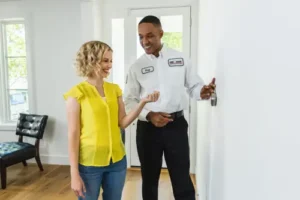
There are several scenarios where it will make sense to do a thermostat upgrade when replacing a furnace. One of our techs can double-check your current setup to determine the best move forward.
You’re Installing a High-Efficiency Furnace
If you’re installing a furnace that comes with multi-stage heating or some other type of advanced technology, it may not be compatible with your current thermostat. This type of furnace requires a thermostat with extra wiring or special controls to function correctly. Using a noncompatible new thermostat will prevent you from being able to take full advantage of the furnace’s advanced features.
Your Current Thermostat Is Outdated
When you sync a new heater with an outdated thermostat, you lose the ability to attain precise temperature control. The system will cycle based on basic on/off commands rather than staged heating levels or preset comfort profiles. Since you’re already investing in a new furnace, you may as well upgrade the thermostat too.
You Want Lower Energy Bills
What kind of features does your current thermostat have that help reduce heating costs? If it lacks scheduling and geofencing, it’s time for a replacement. Today’s thermostats can lower the heat while you’re away and optimize run times based on occupancy patterns. These smart adjustments lead to lower heating costs and less wear and tear on the heating equipment. With energy costs constantly on the rise, doing a replacement will often pay for itself within a few months.
You Need Better Control & Comfort
If you want a cozier home, the right thermostat will make it much easier to maintain steady indoor temperatures. You can even make remote adjustments using your smartphone when you’re away from home. Many models also come with humidity control, which can reduce mold growth problems. If you have a multi-zone setup, you’ll want a thermostat with temperature zoning to keep each area of the home properly balanced. This type of precise control lets you customize comfort for every room.
Your New Furnace Requires Additional Wiring
When you want your furnace to connect to the internet, it must have a thermostat that features a C-wire. This wire provides continuous power to the thermostat. If your current thermostat doesn’t have one, a replacement can solve the compatibility issue.
When You May Not Need a New Thermostat
If you recently installed a new thermostat (within the last one to three years), you may not need a new one. This is particularly true if you installed a smart thermostat. Here are some other situations when you may not need to do a thermostat replacement.
- You’re installing a single-stage furnace
- The new model is like your old one
- You already have the compatible wiring in place
One of our technicians will tell you during the furnace installation process whether you need a new thermostat.
How a New Thermostat can Help the Home Have Better Indoor Air Quality
A new thermostat will help your furnace run smoother and more efficiently. It will improve indoor air quality by boosting airflow and contributing to better filtration. You may notice a significant improvement in overall comfort, especially if you sync the thermostat with a system that has a high furnace AFUE rating.
Smart Thermostat vs. Programmable Thermostat
Whether you should pair your heating replacement with a smart or programmable thermostat depends on your comfort and energy goals. Smart thermostats automatically learn your daily routines and come with remote access via internet connectivity. They also provide energy reports and integrate with smart home systems.
Programmable thermostats offer simple scheduling and don’t require Wi-Fi. They are budget-friendly and reliable for basic heating needs. In Florida, because of the mild climate, either option works fine. Your overall lifestyle and comfort preferences are what matter most when selecting between the two types.
Installation Considerations
It’s a good idea to hire a professional when doing a thermostat upgrade during a heating installation. The technician can handle both projects using proper tools, technical knowledge and expert skill.
The risks of installing a new thermostat incorrectly:
- Harm the furnace’s main control components
- Lead to unexpected system failures
- Introduce unsafe wiring issues
Our team handles all new thermostat and furnace replacements with the utmost precision, accuracy, and care. We’ll check the thermostat’s compatibility before we begin the replacement process.
Get Help From Lakeland One Hour Air Conditioning & Heating
The right new thermostat matters because it has a direct impact on furnace efficiency. A setup that includes advanced controls and proper wiring will provide optimal energy savings for more affordable comfort this winter.
If you can’t decide whether it’s time for a thermostat upgrade, our team is ready to assist. Call Lakeland One Hour today to schedule an appointment. Learn how to prepare your home for a furnace replacement. We’re on time or you don’t pay a dime!